Electric motors are the workhorses of industry. From pumping stations and processing plants to manufacturing lines and HVAC systems, they quietly power critical operations every day.
But when a motor fails, the impact is anything but quiet.
Unplanned downtime, production losses, emergency callouts and costly replacements can quickly escalate , especially if failure happens in a critical application.
At APDS, we regularly support customers across the South West in diagnosing, repairing and preventing motor failures. Here are the most common causes we see in industrial settings, and how they can be avoided.
1. Bearing Failure
The most common cause of motor breakdown.
Motor bearings fail due to:
- Poor lubrication
- Contamination (water, dust, chemicals)
- Misalignment
- Overloading
- Electrical fluting from variable speed drives
Warning signs include increased vibration, unusual noise and rising temperatures.
Prevention tip: Implement routine vibration analysis and temperature monitoring. Proper lubrication schedules and shaft alignment checks dramatically reduce failure risk.
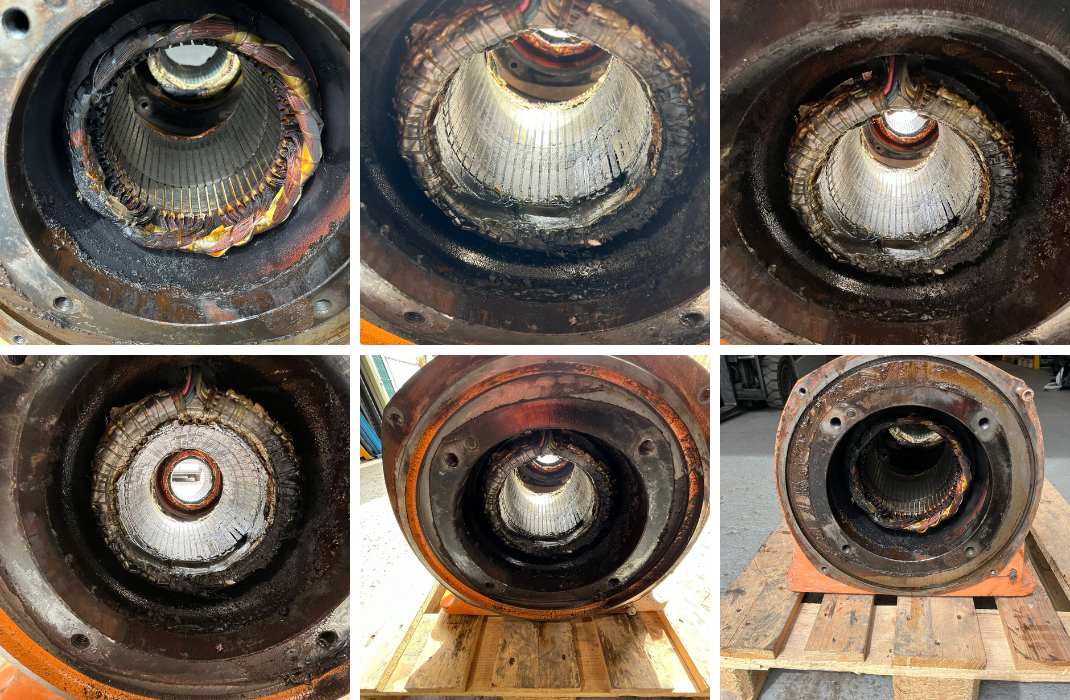
2. Winding Insulation Breakdown
Electrical windings degrade over time due to:
- Overheating
- Voltage spikes
- Poor power quality
- Moisture ingress
- Ageing insulation
Once insulation weakens, short circuits or earth faults can occur, often leading to catastrophic motor failure.
Prevention tip: Regular insulation resistance testing (IR testing) and thermographic inspections help detect early degradation before failure.
3. Overheating
Heat is the silent killer of electric motors.
Common causes include:
- Overloading
- Blocked cooling paths
- High ambient temperatures
- Voltage imbalance
- Incorrect motor sizing
Excess heat accelerates insulation breakdown and shortens bearing life.
Prevention tip: Ensure correct motor specification for the load and environment. Consider drive-controlled soft starting and load management using ABB variable speed drives to reduce mechanical and thermal stress.
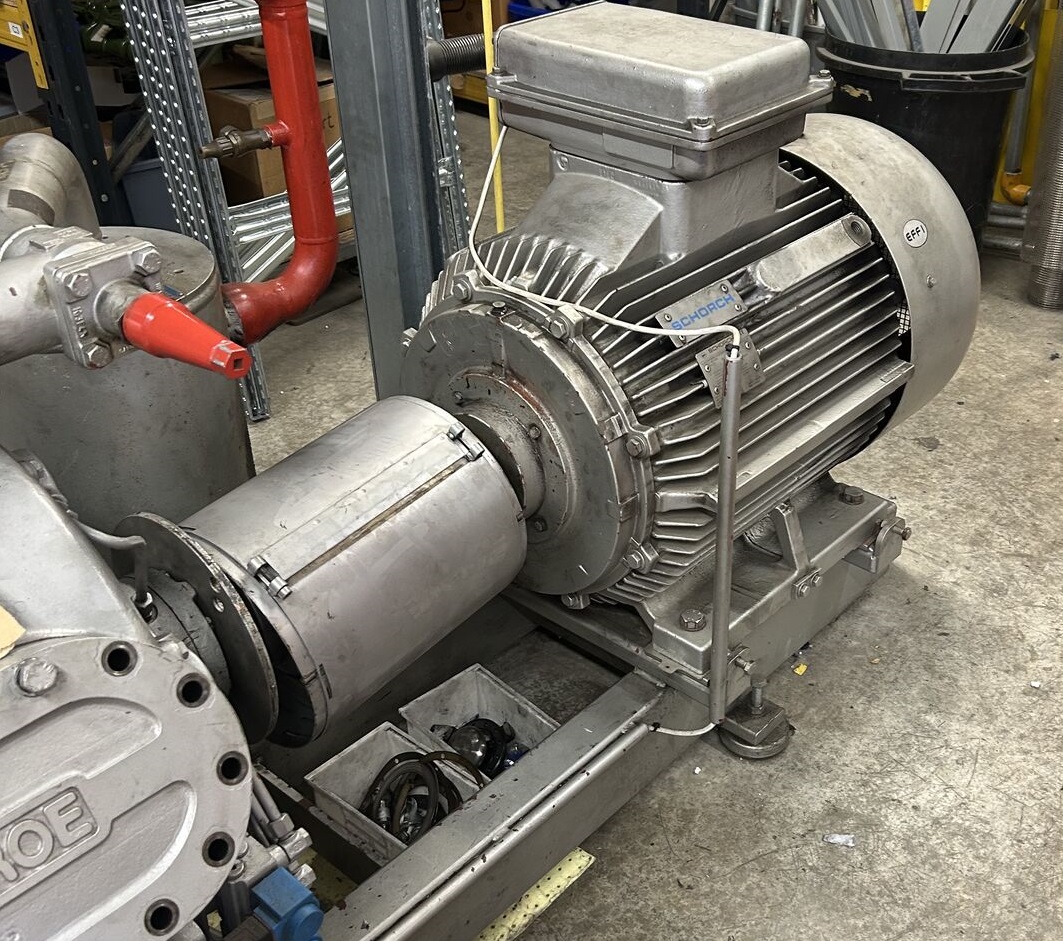
4. Misalignment & Mechanical Stress
Coupling misalignment between motor and driven equipment creates excessive radial and axial loads on bearings.
This results in:
- Increased vibration
- Premature bearing wear
- Shaft damage
- Seal failure
Prevention tip: Laser alignment during installation and after maintenance significantly improves motor lifespan and efficiency.
5. Electrical Imbalance & Harmonics
In systems using variable speed drives, poor grounding or harmonic distortion can cause:
- Shaft currents
- Bearing fluting
- Excess heating
- Reduced efficiency
Correct specification and installation of drives is essential to prevent these issues.
APDS supports customers with correctly engineered solutions using ABB drive technology to protect motor performance.
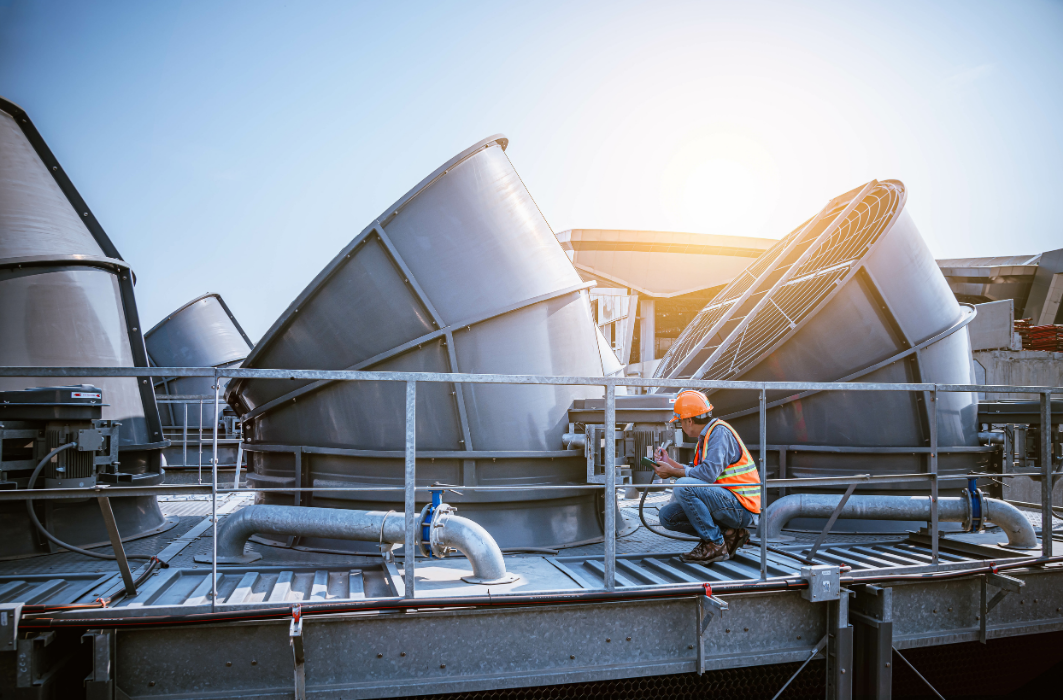
6. Environmental Contamination
Industrial motors often operate in harsh environments:
- Water & wastewater sites
- Dust-heavy manufacturing
- Food processing
- Chemical exposure
Ingress protection (IP rating) must match the environment. Underspecified motors are vulnerable to contamination and corrosion.
Prevention tip: Ensure motors are correctly rated for the application and inspect seals and cable entries regularly.
The Cost of Reactive Maintenance
Many failures occur not because the motor was faulty , but because early warning signs were missed.
Reactive replacement is almost always more expensive than proactive maintenance.
A structured asset management approach should include:
- Condition monitoring
- Scheduled inspections
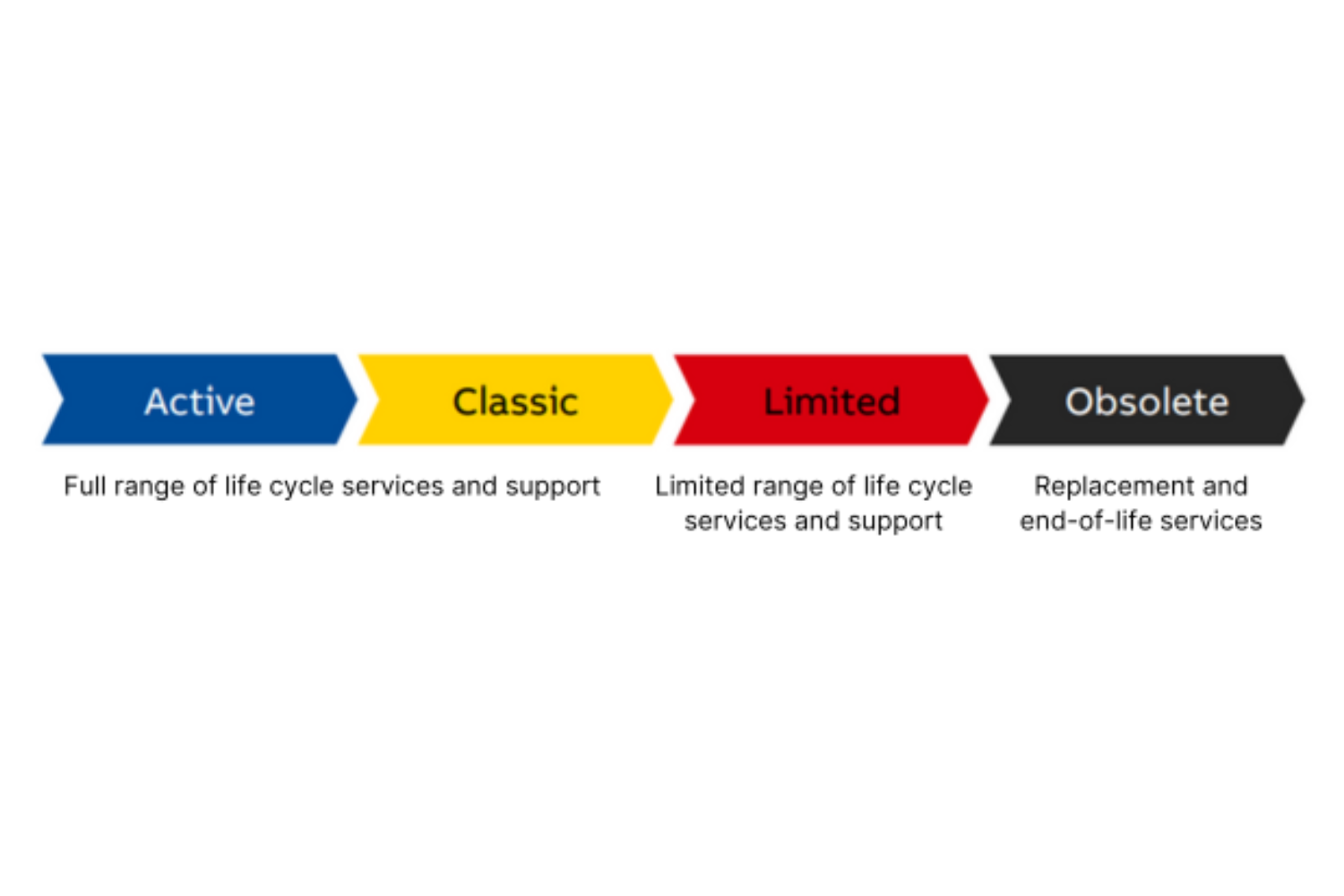
- Lifecycle reviews
- Correct drive integration
- Planned replacement strategy
A Proactive Approach with APDS
As specialists in industrial motors and authorised partners for ABB drives, APDS supports customers with:
- Fault diagnosis and repair
- Condition monitoring programmes
- Energy efficiency improvements
- Motor and drive upgrades
- Asset lifecycle planning
Understanding how and why motors fail is the first step in protecting uptime.
Don’t Wait for a Breakdown
If your motors are critical to operations, a preventative maintenance review could significantly reduce risk and extend asset life.
Contact the APDS team to discuss how we can help protect your electric motor assets – before failure impacts your operation.