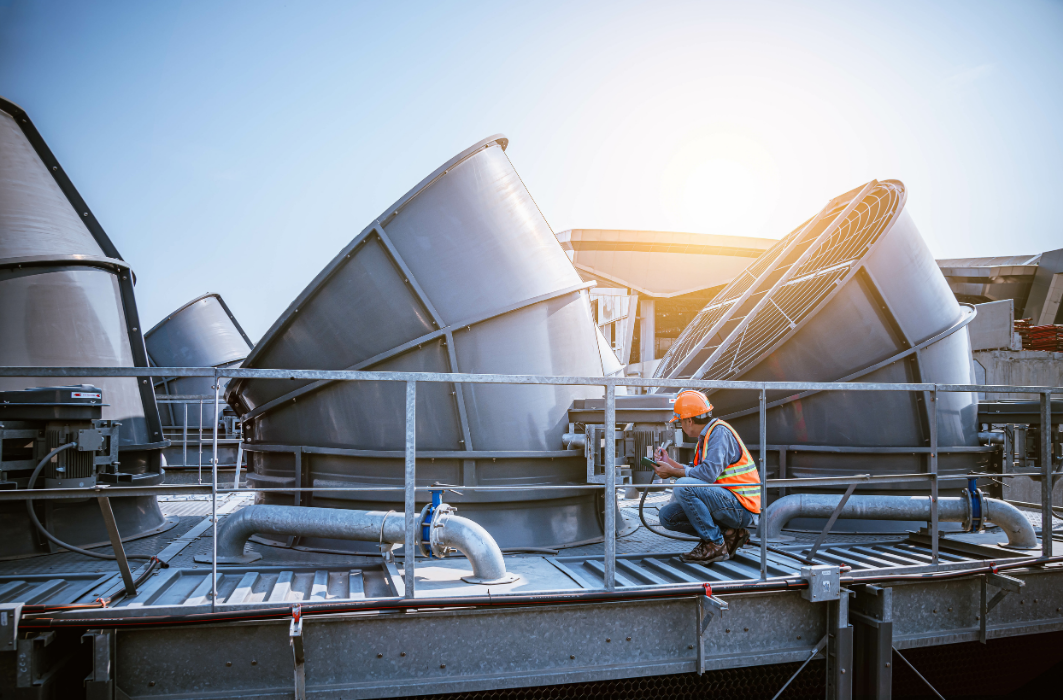
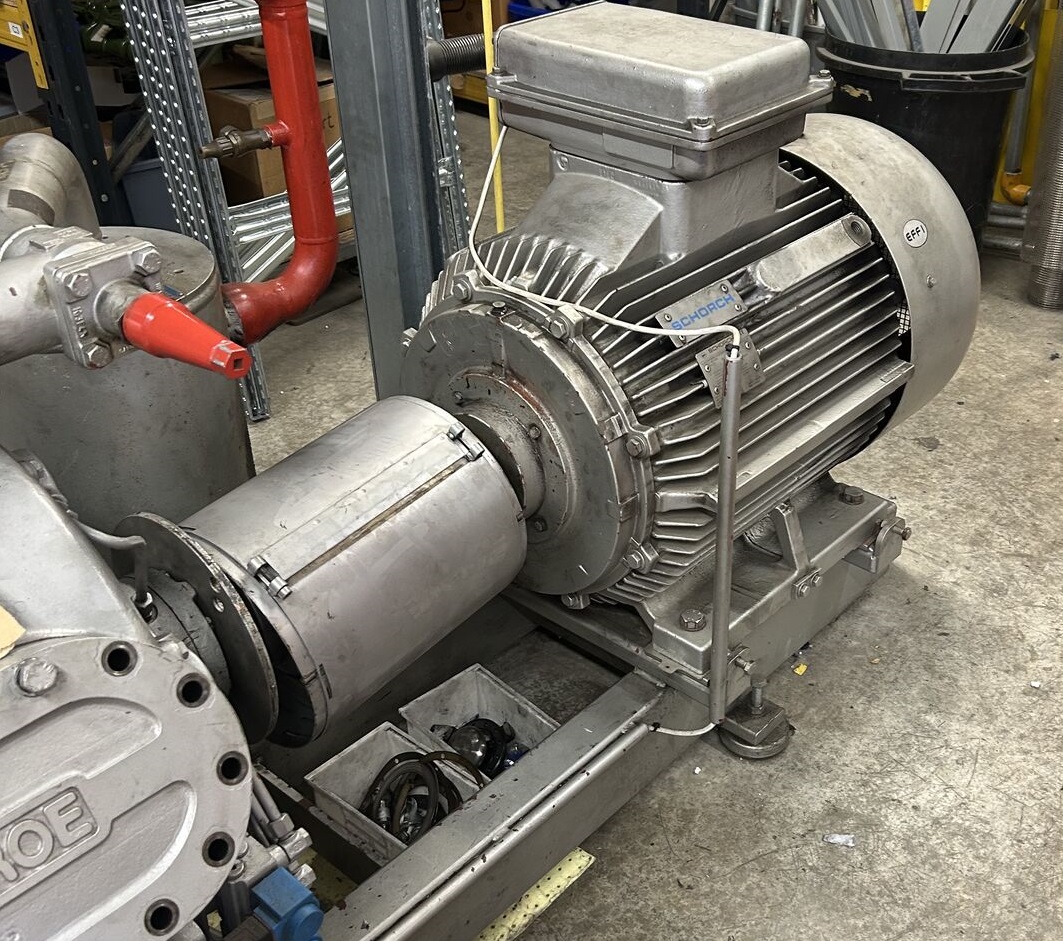
Electric motors in water and wastewater pumping stations operate under continuous duty, variable loads, and challenging environmental conditions. As a result, certain failures occur repeatedly across the sector.
The most common motor failures include:
Bearing Failure
Often caused by poor alignment, imbalance, or lubrication breakdown. In VSD-driven applications, electrical fluting can also accelerate bearing damage if mitigation is not in place.
Insulation Breakdown
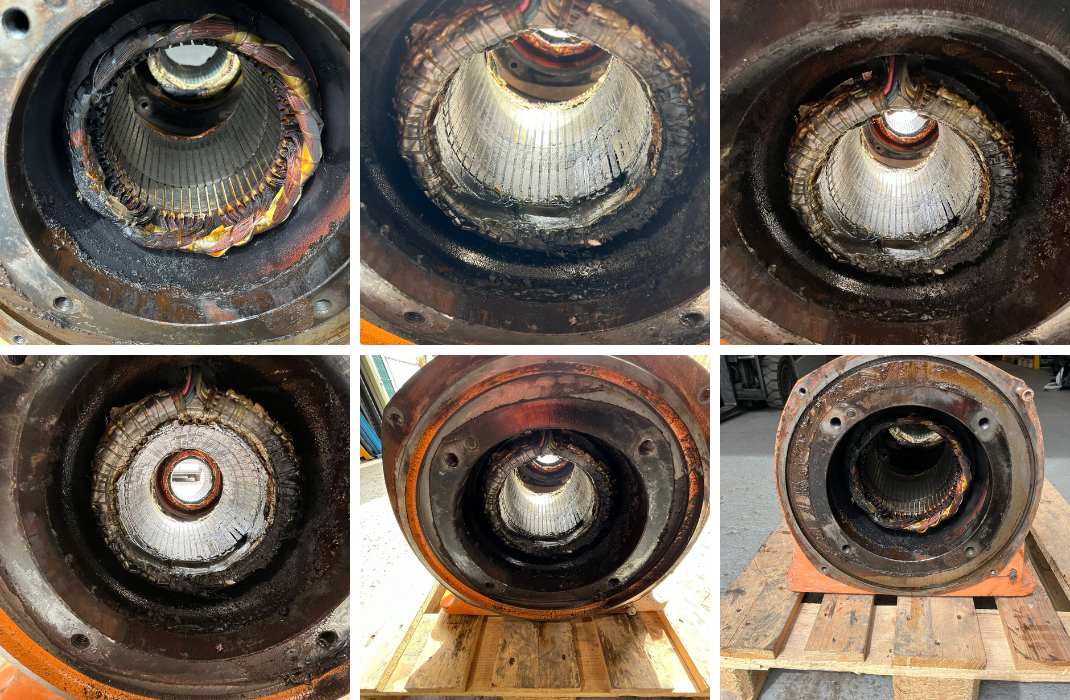
Moisture ingress, contamination, and thermal cycling degrade winding insulation over time, increasing the risk of earth faults or phase-to-phase failures.
Overheating
Restricted cooling paths, sustained overload, or incorrect drive parameterisation can lead to excessive temperature rise and reduced motor life.
Electrical Stress from Drives
Older motors connected to modern drives or legacy drives operating outside original design parameters may suffer from increased dv/dt stress if filtering and cabling are not correctly specified.
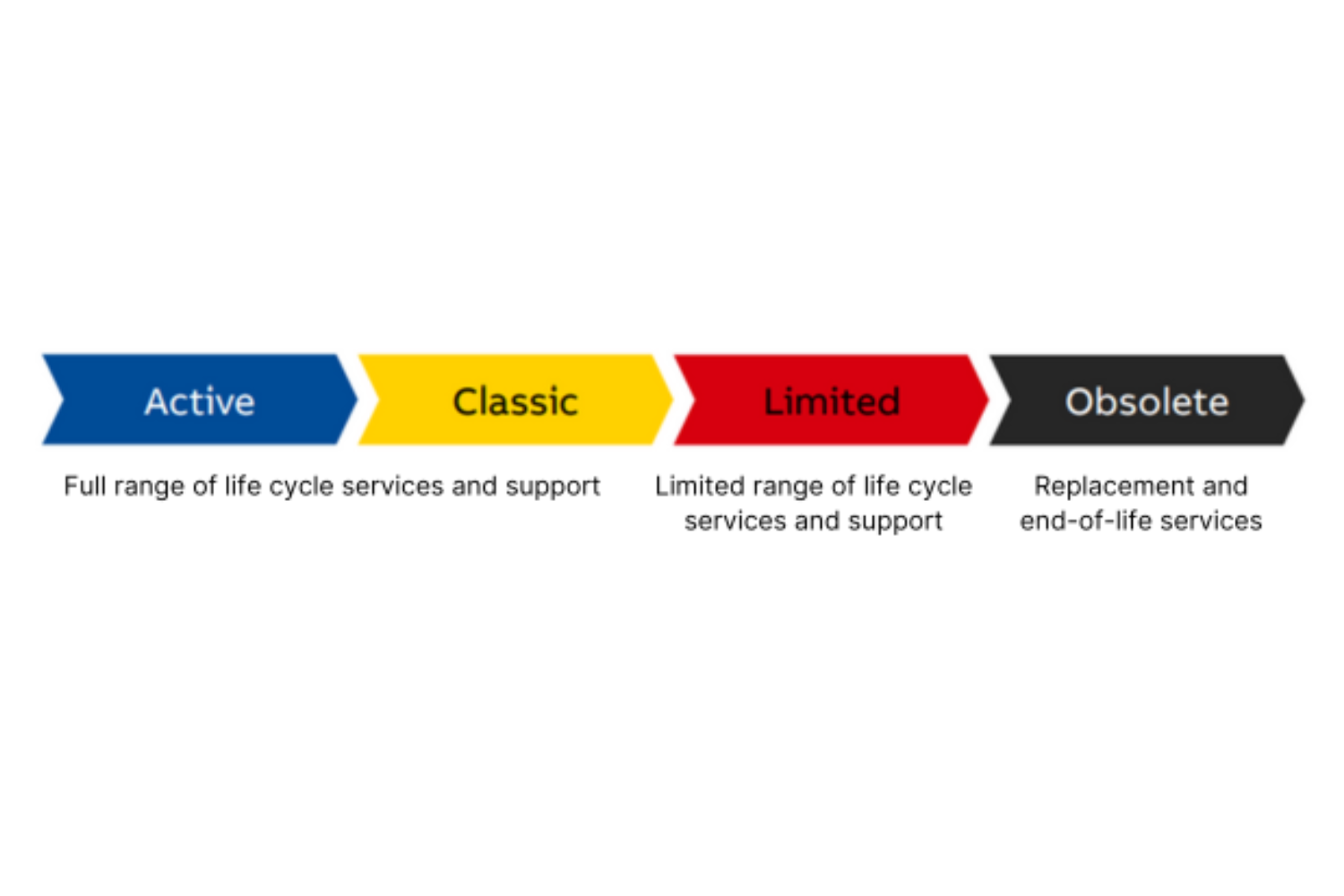
Critically, many motors fail before true end-of-life due to unresolved root causes. Post-repair laser alignment, dynamic balancing, and condition monitoring are essential to prevent repeat failures.
Under AMP8, improving motor reliability directly supports availability targets, energy efficiency, and reduced maintenance intervention.
The APDS Motor Division is on hand to answer questions about how to keep your motors running smoothly. We service and repair all makes and models and do our best to carry out works on site to minimise your disruption time. Contact the motor team today by emailing motors@apds.co.uk