If you’re not familiar with Variable Speed Drives (VSDs), you might be wondering what they are and what advantages they offer compared to other types of drives used in production equipment. In this article, we examine some of the key benefits of VSDs at reducing production downtime so that you can decide if they’re the right drive for your next project.
Advantages Of Variable Speed Drives
VSDs use less power than AC motors and can be controlled remotely, making them more efficient to operate. The torque on a VSD can also be limited, preventing overuse and damage to the machine. A VSD can accelerate and decelerate slowly, reducing stress on the motor and lowering the risk of damage from wear and tear. All of these damage control and efficiency factors make VSDs an attractive option for industrial applications with variable output requirements throughout the production cycle.
Reduced Wear And Tear
The biggest advantage of a VSD is that it can be used to control the speed of a motor. This means that you can use less power when you don’t need to run the motor at full speed. For example, if you are running a conveyor belt, you can use a VSD to slow down the belt when there are no items on it. This will save power and wear and tear on the belt. VSDs are available in a variety of sizes and speeds, so you can find one that is right for your application.
Improved Acceleration And Deceleration Control
VSDs give machine operators improved acceleration and deceleration control, meaning that mechanical stress is reduced, and the longevity of the machine is increased. With these speed control processes in place, the VSD can keep running continually rather than through stop-start operation, leading to less mechanical stresses and premature failure of other equipment – as well as a reduced risk of thermal damage from overheating.
Improved Torque Control
When a VSD is used to control the speed of an electric motor, it can also be used to limit the torque, preventing the motor from being overused and damaged. When the torque is limited, the motor will not be able to accelerate as quickly, which means that it will not be able to produce as much power. This can be useful when the motor is used for tasks that require a lot of power, such as heavy lifting or hauling. However, it is important to note that limiting the torque can also reduce the lifespan of the motor, so only use this feature when it is absolutely necessary.
Less Power Supply Line Disruptions
With the accurate speed control and ramp times available using a VSD, inrush currents are reduced, offering greater stability across the distribution network.
Find Out More – View Our Case Studies Page
Modern ABB VSDs offer many advantages over other types of drives, including increased efficiency, remote operation, and protection against overuse. These benefits enable production managers to reduce instances of unplanned downtime, give early warning of impending mechanical problems in fans, pumps, motors, bearings, and conveyors before they fail, and reduce lifetime maintenance costs by enabling scheduled maintenance around your production requirements.
APDS Are Authorised Value Providers Of ABB Variable Speed Drives & Motors.
Please take a look at our case studies page for more information about how we have helped customers save time and money on unscheduled downtime through the implementation of variable speed drives.
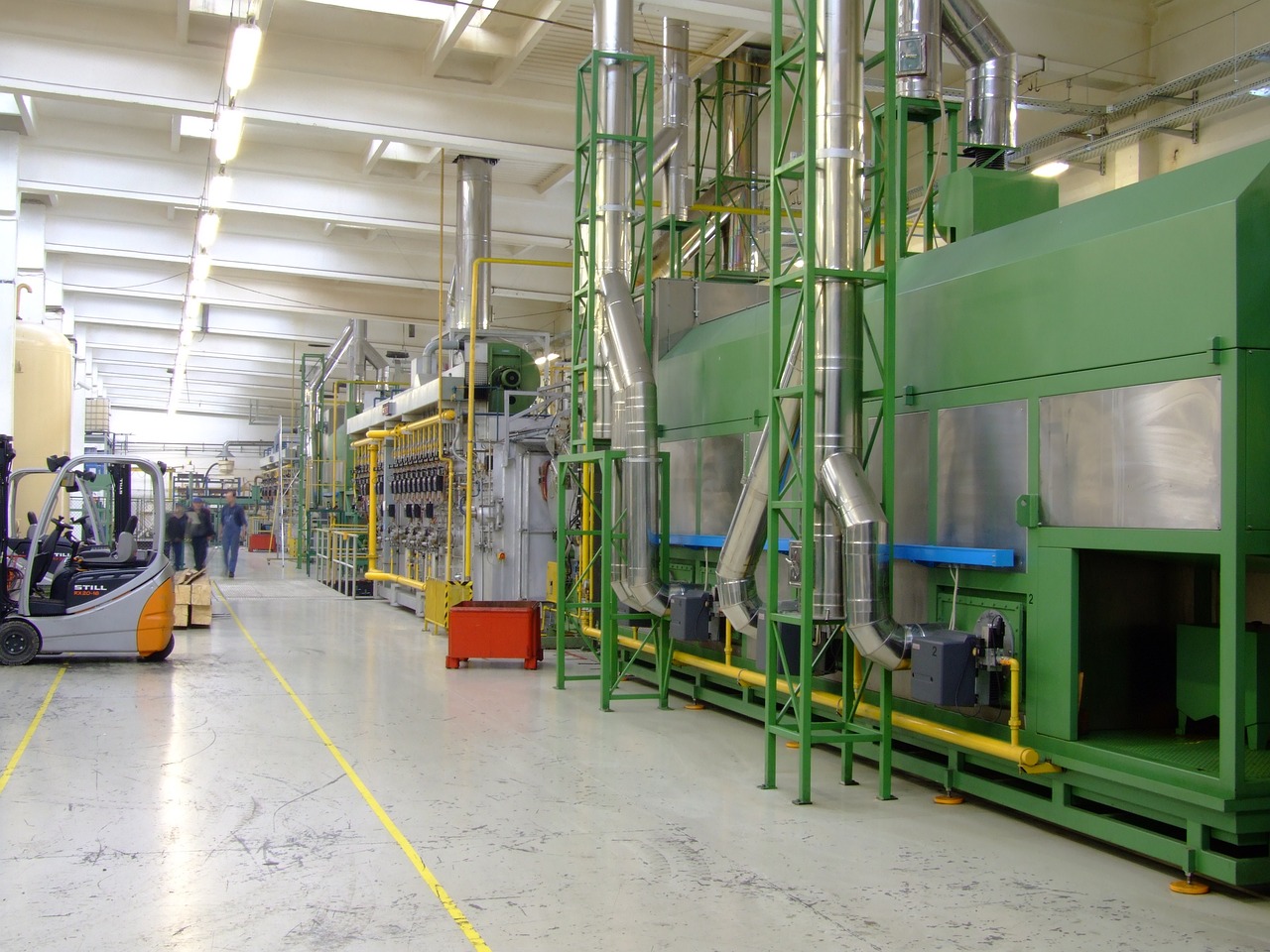
Image Source: Pixabay